Albiglutide belongs to the GLP-1 receptor agonist class — the same family of incretin-mimetic therapies that includes exenatide, dulaglutide and semaglutide. It was developed by GlaxoSmithKline, approved in 2014 under the brand names Tanzeum (US) and Eperzan (EU), and used as an adjunct to diet and exercise for glycemic control in adults with type 2 diabetes.
Mechanism and intended uses
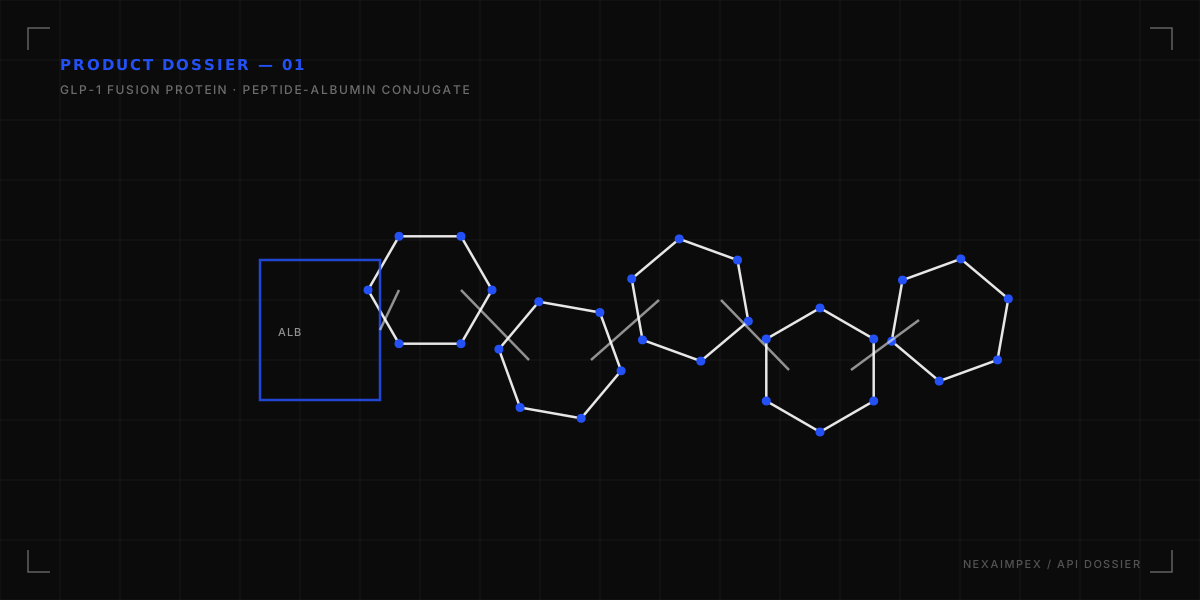
Structurally, albiglutide is a recombinant fusion of two modified GLP-1 peptide units joined to human albumin. That combination gave it a long half-life of roughly four to seven days, supporting once-weekly subcutaneous dosing. Once bound to the GLP-1 receptor, it:
- Stimulates glucose-dependent insulin secretion from pancreatic beta cells, without the hypoglycemia risk seen with older sulfonylurea drugs
- Suppresses glucagon release, reducing hepatic glucose output
- Slows gastric emptying, blunting post-meal glucose spikes
Its large molecular size limited its ability to cross the blood-brain barrier compared with other GLP-1 agonists, which researchers link to the comparatively modest appetite-suppression and weight-loss effects observed in trials.
Clinical benefits demonstrated in trials
Across its clinical program, albiglutide showed meaningful HbA1c reductions and was evaluated for cardiovascular safety in the HARMONY outcomes trial, which returned positive cardiovascular data. Weight loss, however, was modest (roughly 0.5–1.5 kg) compared to later-generation agents like semaglutide, and the injection device required powder reconstitution before use — a convenience disadvantage against ready-to-use pens.
Global supply status — the part most articles skip
For buyers researching this molecule for import, export, or formulation purposes, that means realistic sourcing today is limited to research-grade material, reference standards, or historical/legacy stock — not a bulk API pipeline comparable to actively marketed GLP-1 drugs.
Where this leaves formulators and researchers
If your interest is genuinely in the GLP-1 mechanism — for comparative research, academic study, or evaluating alternatives — NexaImpex can help identify which agents in this class are currently in active production, source the relevant documentation, and connect you with manufacturing partners for compounds that are realistically available at the volumes you need.